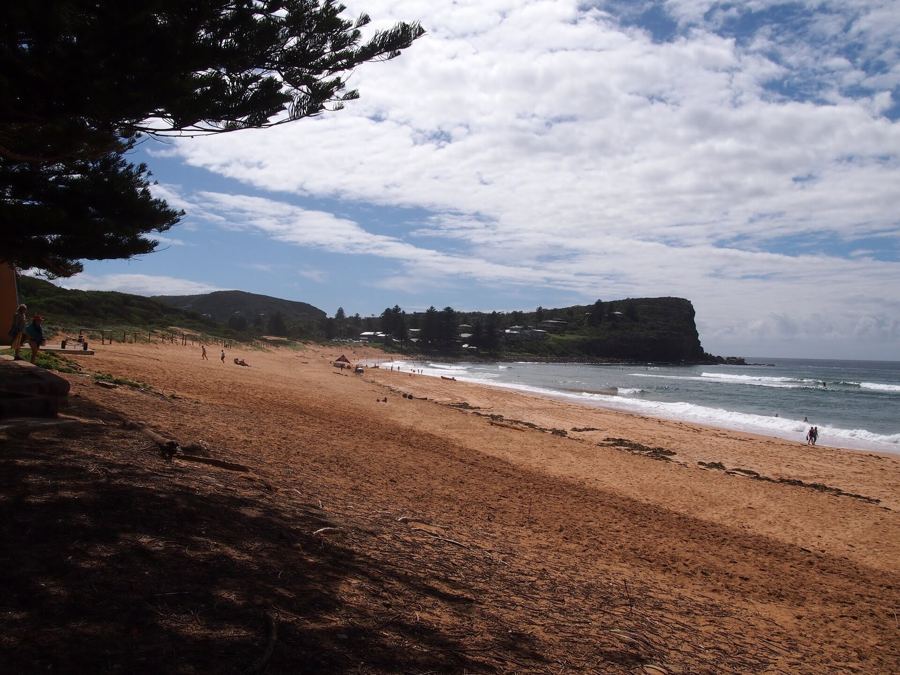
A morning swim at the very top of the peninsula
Palm Beach is as far north as Sydney goes. Swim in the rock pool at its southern end, walk the length of the sand, then climb to the sandstone lighthouse on Barrenjoey Head.
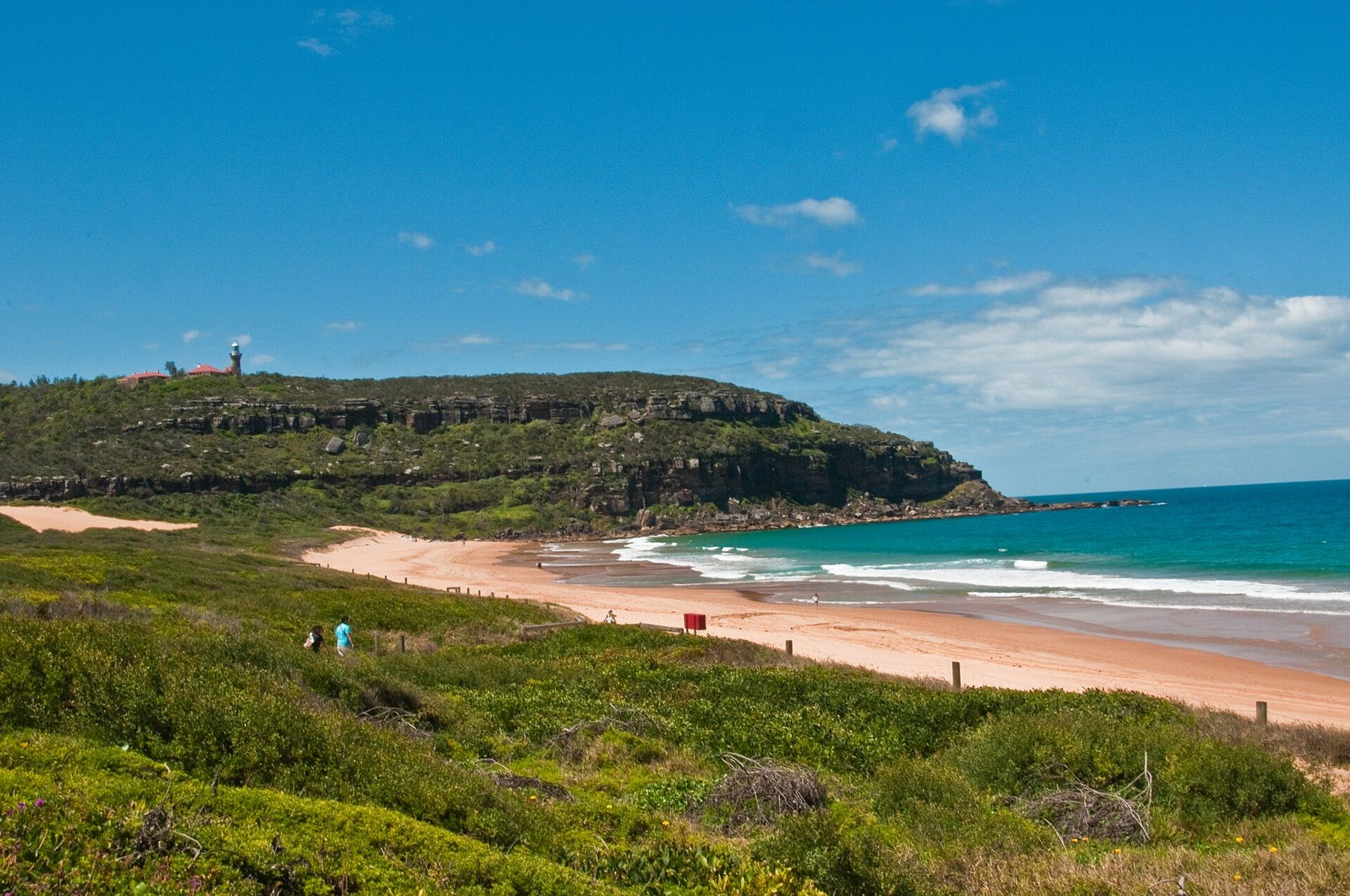
At the top of Sydney's northern beaches the land runs out. A narrow strip of sand and dunes, barely a few hundred metres wide, separates the open ocean from the calm waters of Pittwater, and at its tip rises the great sandstone knob of Barrenjoey Head with its lighthouse. Palm Beach is the long ocean beach on the eastern side of that strip, and at its southern end, set into the rocks below the headland, is a sea-filled rock pool.
This is Guringai Country, and the waterways, beaches and headlands of Pittwater and Broken Bay were home to Aboriginal people for many thousands of years. Shell middens and rock art survive in the bush around the bay, a reminder of how long this coast has been lived on and cared for.
A day here can be as simple or as full as you like: a swim and a coffee, or a swim, a long beach walk, the climb to the lighthouse and a ferry ride on Pittwater. Either way, it is worth the long trip from the city.
A pool below the southern headland
The Palm Beach rock pool sits at the southern end of the beach, where the sand meets the rock shelf below the headland. Like most of Sydney's ocean pools, it is a concrete wall set across the rock, filled and refreshed by the sea at high tide and in any decent swell. It is free to use and open all year, closing for regular cleaning and in dangerous seas.
It is a lap pool rather than a paddling pool, deep enough for proper swimming and long enough for steady laps. In the early morning the water is often glassy, with the sun coming up over the sea and the whole length of the beach stretched out to the north. Later in the day families arrive, and the shallow edges fill with children.
Surf, swell and the flags
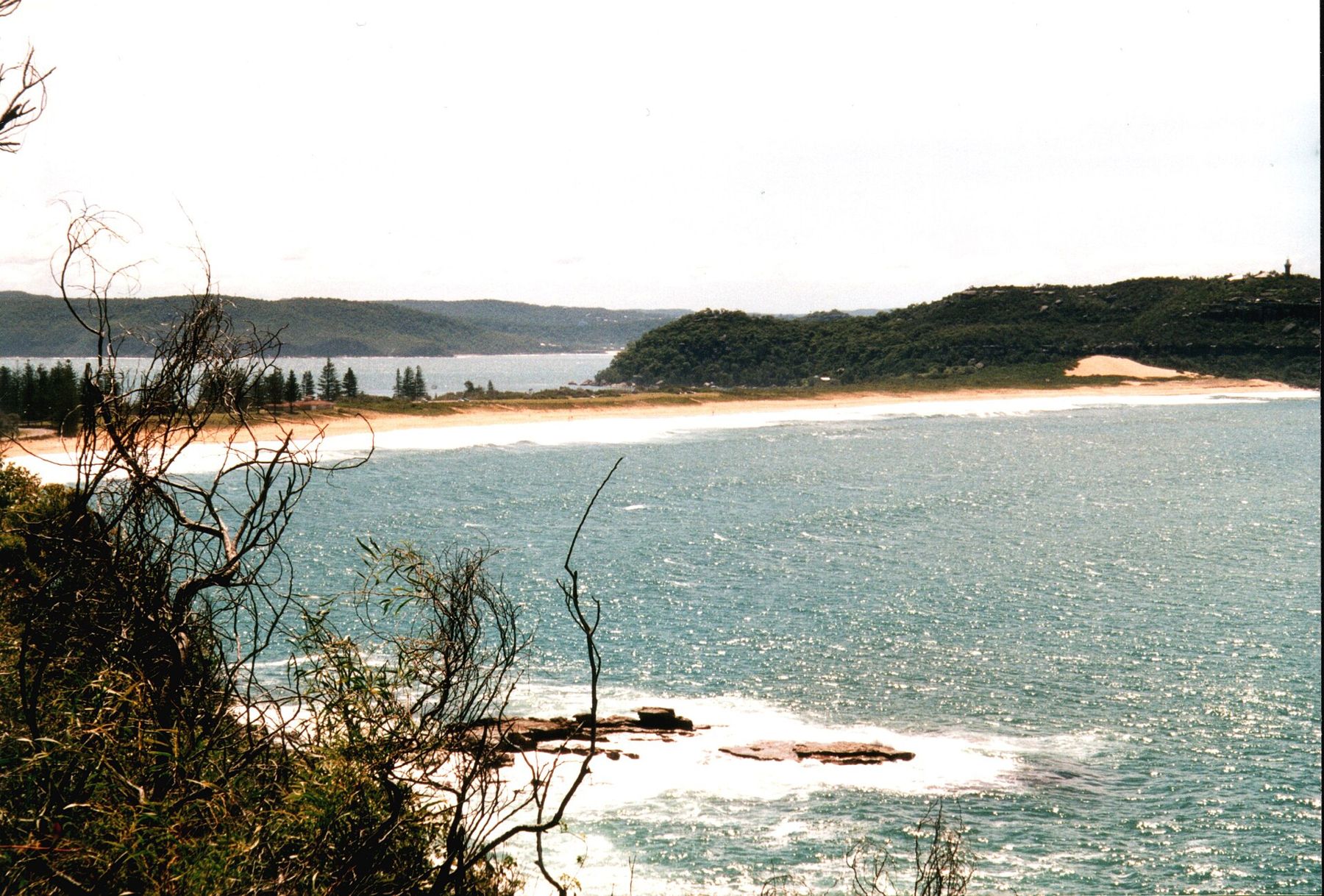
Palm Beach is an exposed ocean beach, open to swell from the south, east and north-east, and the surf can be powerful. If you swim at the beach rather than in the pool, swim between the red and yellow flags, and only when the beach is patrolled. Rips are common along its length.
In a big swell, especially from the south or south-east, waves break over the pool's seaward wall and wash across it. The rock shelves around it are slippery wherever they are wet or covered in weed, and larger waves can sweep across them without warning. If water is pouring into the pool, watch from the sand. The notes on reading swell and tide explain how to judge conditions before you set out.
After heavy rain, check the state's beach water quality reports before you swim, here and on the Pittwater side.
Along the sand to Barrenjoey
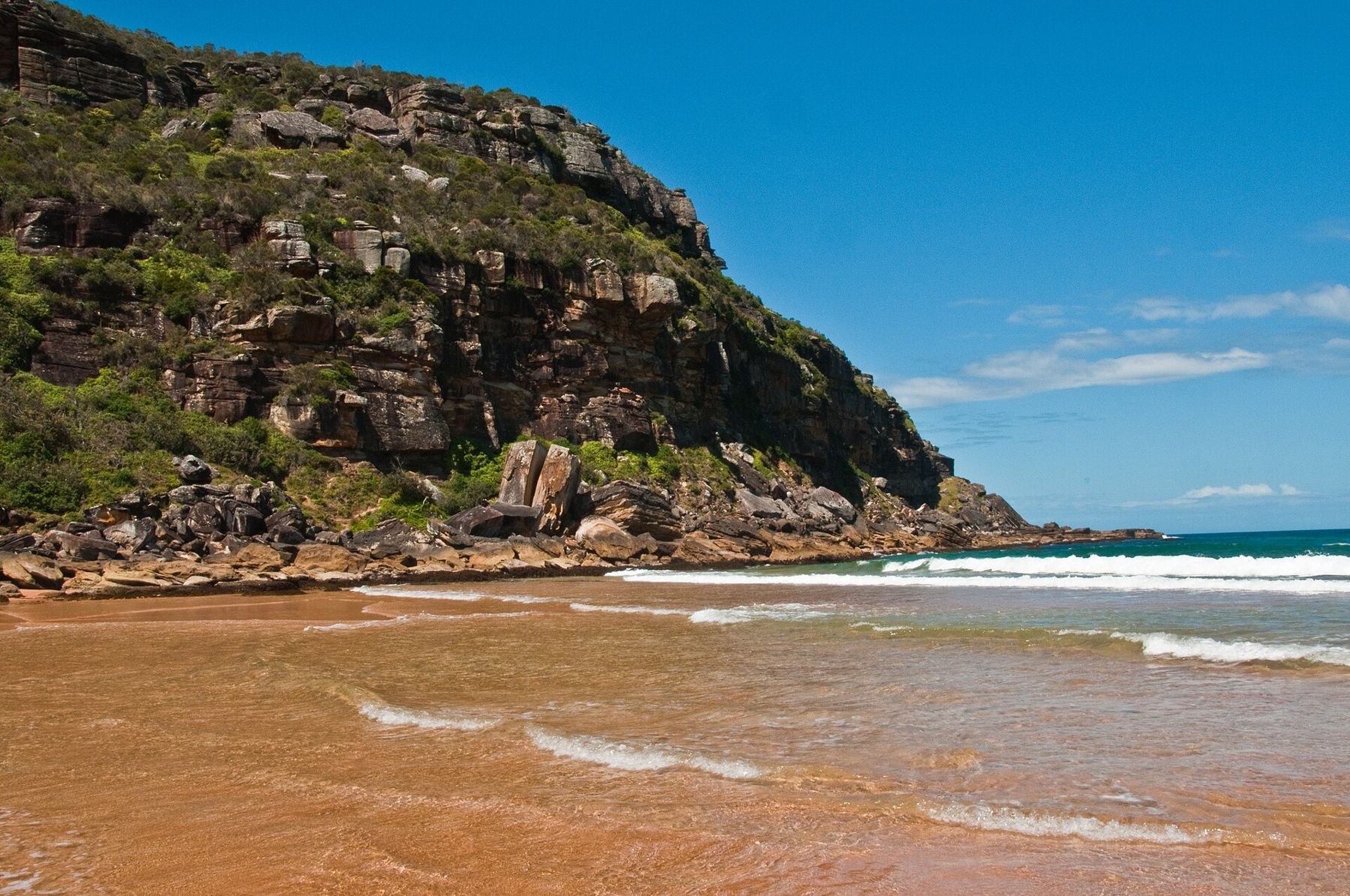
From the pool it is a long and pleasant walk north along the beach to the foot of Barrenjoey Head. The sand runs for well over two kilometres, backed by dunes, Norfolk Island pines and houses on the hillside. Walk it barefoot at low tide on the firm sand near the water, or follow the path behind the dunes.
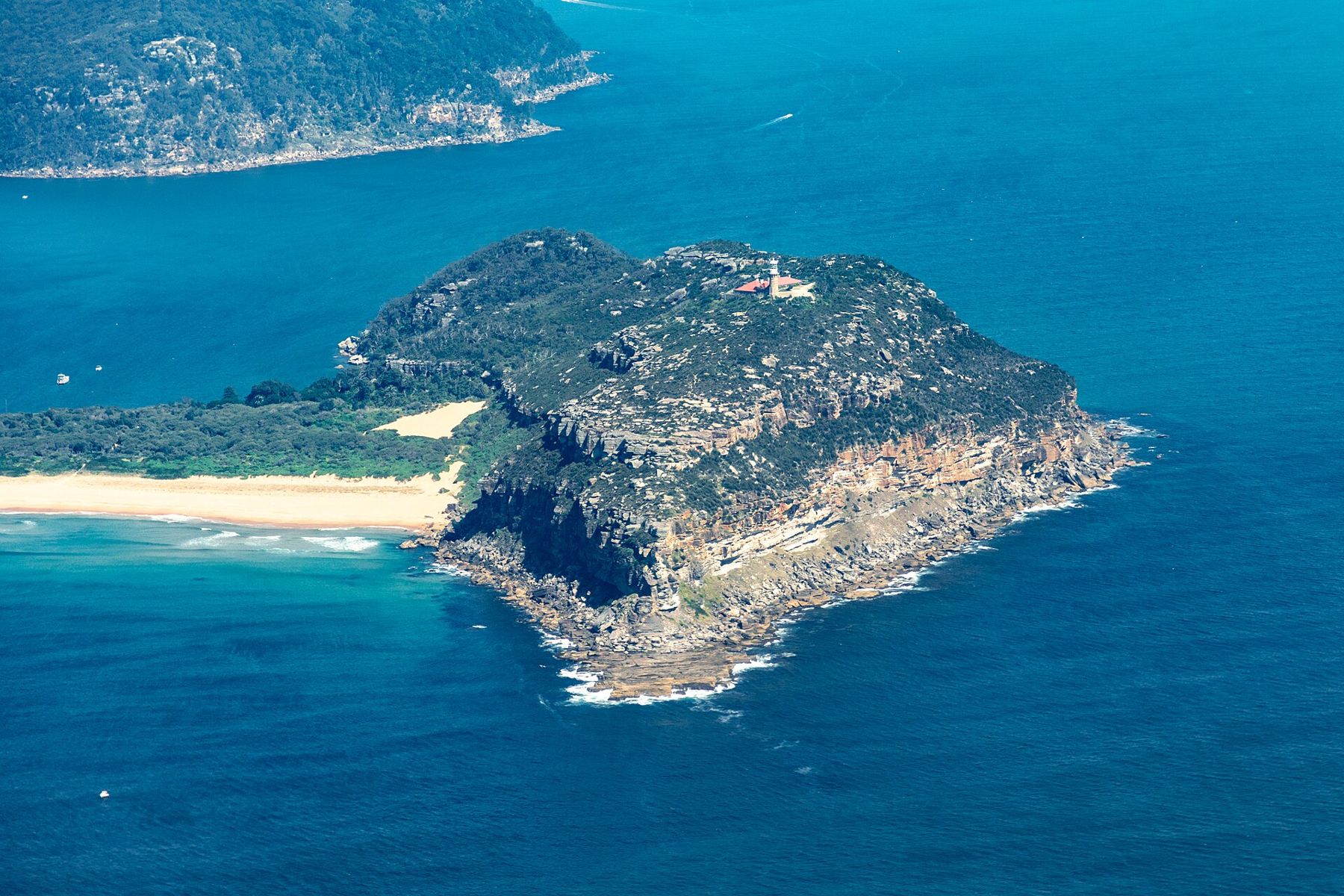
At the northern end, the beach narrows towards the headland. Barrenjoey Head is part of Ku-ring-gai Chase National Park, and the tracks to the top start from the Pittwater side, near the car park and the small beach facing the bay.
Lane 2 · AvalonNewport, Bilgola and Avalon: the upper-peninsula poolsClimbing to the lighthouse
Two tracks lead up to the lighthouse. The shorter one is steep and stepped, a stiff climb of up to half an hour for most people. The longer track zigzags up more gently on a wider surface, and many walkers go up one way and down the other. Both are exposed to the sun, so carry water and wear a hat.
At the top stands Barrenjoey Lighthouse, a handsome tower of local sandstone completed in 1881, with its keepers' cottages beside it. You cannot usually go inside the tower, but the grounds are open, and the views are among the best in Sydney. To the north lies Broken Bay and the coast beyond; to the west, the calm blue arm of Pittwater and the bush of the national park; to the south, the whole length of Palm Beach and the peninsula.
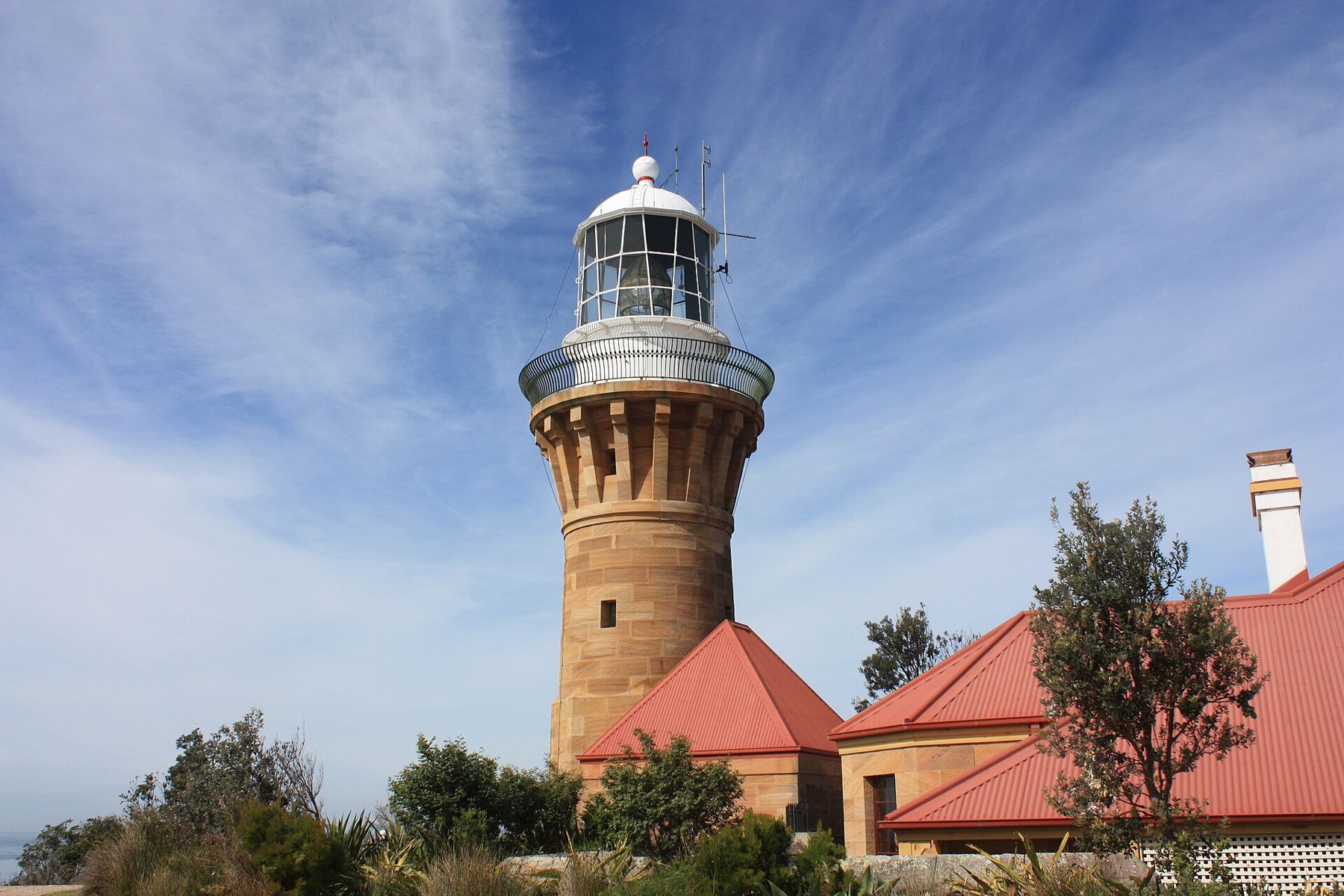
From the top of the headland you can see two very different waters at once: the open ocean on one side and the sheltered bay on the other. Keep to the paths near the cliff edges, and in winter and spring look out to sea for whales passing on their migration.
From the top of the headland you can see two very different waters at once: the open ocean on one side and the sheltered bay on the other.
Pittwater and the ferry
The western side of the strip faces Pittwater, a long, sheltered bay where the water is calm and the beaches are soft and shallow. Palm Beach wharf sits on this side, and ferries leave from it to small settlements and beaches around Pittwater and across Broken Bay. A ferry ride is a fine way to see the bay, the bush-covered headlands and the houses reachable only by water. Services and timetables change through the year, so check before you go.
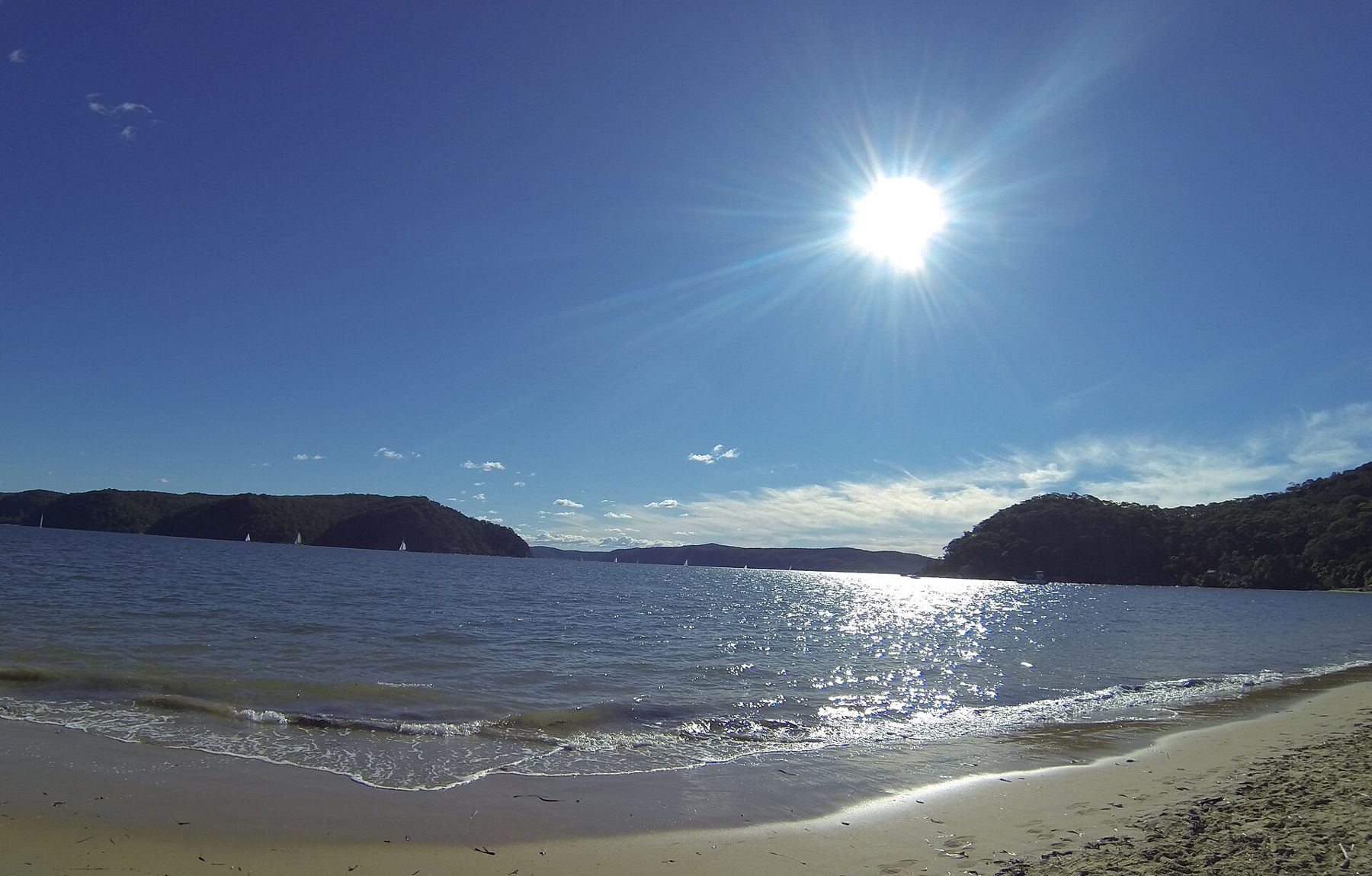
The Pittwater beaches are good for a gentle swim when the ocean is rough, though they are not patrolled and boats move close to shore. Swim near the sand, and keep clear of the moorings and the wharf.
Getting to the top of the peninsula
Buses run up Barrenjoey Road from the city and from Manly towards Palm Beach, stopping at the beaches along the way. The trip from the city takes well over an hour, often much longer in traffic, so it pays to start early. Routes change from time to time; check the current timetable before you go.
Driving is possible, but parking near the beach and the headland is limited and usually paid, and it fills early on fine weekends. The bus also lets you break the journey at other pools along the way, such as those in the story on Dee Why to North Narrabeen.
A day in order
- Arrive early and swim in the rock pool while the water is calm.
- Walk north along the firm sand at low tide.
- Climb to the lighthouse before the midday heat, with water and a hat.
- Cool off on the Pittwater side, or take a ferry across the bay.
A good plan, in short, is to swim in the pool first thing, walk the beach, climb the headland before the day gets hot, and finish with a ferry ride or a lazy afternoon by Pittwater.
Neighbouring lanes
Sydney's ocean pools never close for winter, but they change with every season. Warm water and crowds in summer, glassy mornings in autumn, and a hardy dawn crowd when the sea turns cool.
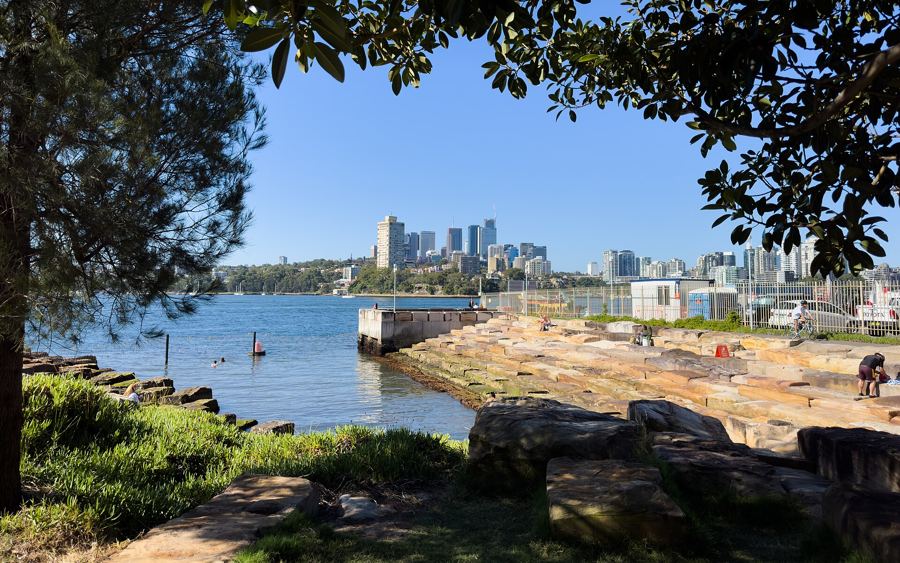
Past Mona Vale the beaches grow smaller, the headlands steeper and the rock pools quieter. Three of them, at Newport, Bilgola and Avalon, make a slow morning's swim up the peninsula.