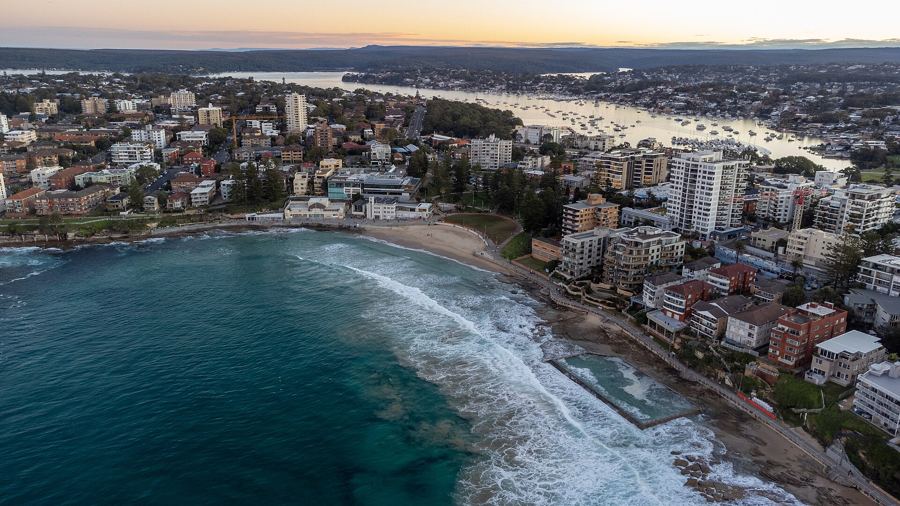
The wildest-looking pool on the south coast
Mahon Pool sits in a gap in the rock shelf north of Maroubra Beach, filled by the sea and fringed by reef. On a calm weekday at mid-tide it feels like a pool somebody forgot to finish.
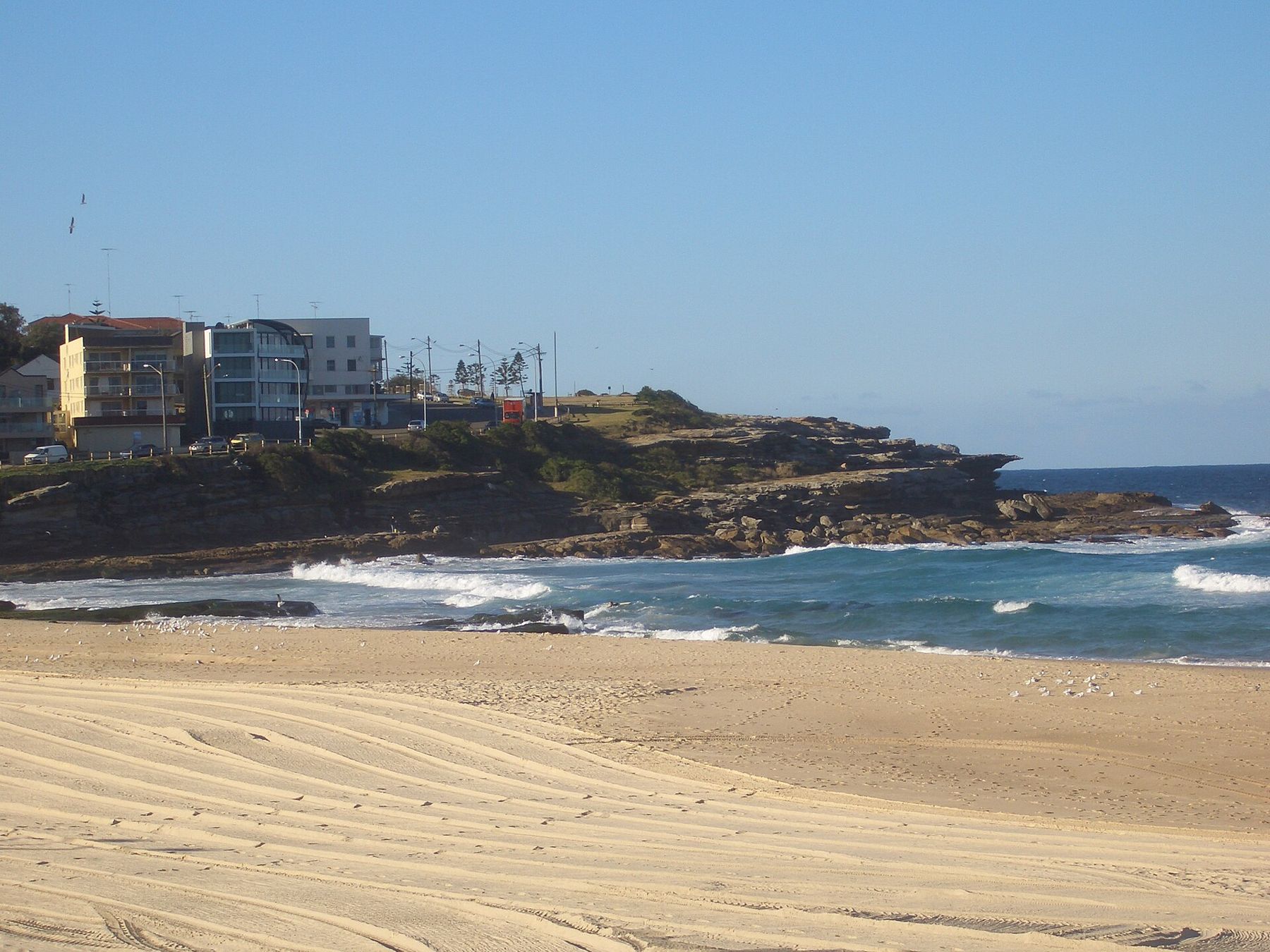
Most of Sydney's ocean pools look built. They have straight concrete walls, painted lane lines, steps with rails and a change room on the promenade above. Mahon Pool, at the northern end of Maroubra, looks found. It sits in a natural hollow in the sandstone rock shelf, walled on its seaward side with concrete and rock, and the rough reef around it runs right up to the edge. The sea pours in over the wall at high tide and in any decent swell, and on a still morning the water inside is clear enough to see every weed-covered boulder on the bottom.
It is a council pool, free to use and open all year, and it is one of the most photographed swimming spots in the eastern suburbs. It is also one of the quieter ones, because it lies a short walk away from the main beach and its car parks.
Finding the pool
Maroubra Beach is the long, open surf beach of the south-eastern suburbs, around ten kilometres from the city centre. Buses run from the city and from Maroubra Junction down to the beach. From the northern end of the beach promenade, walk north along Marine Parade and the cliff-top path for a few minutes, and the pool appears below you on the left, tucked into the rocks at the foot of a short flight of steps.
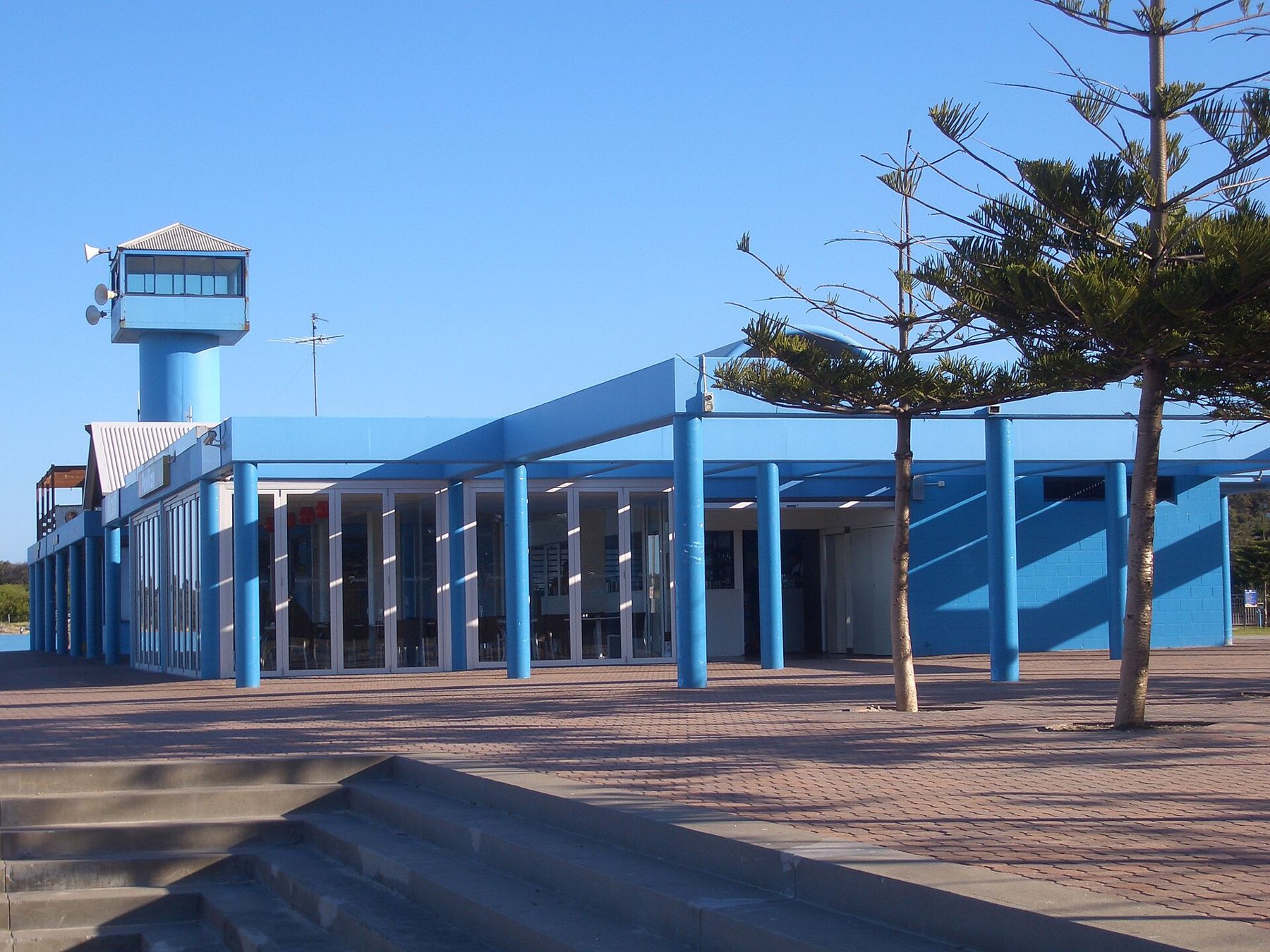
There are toilets and a small change area on the headland above the pool, but very little else. Bring water, sun protection and something to sit on; the rock and concrete around the pool get hot by midday in summer.
Reading the tide and the swell
Mahon is a tidal pool. Its level and its temperature change through the day, and the sea decides when it is pleasant and when it is dangerous. At low tide the water inside is shallower and warmer, and the reef around it is exposed, with rock pools full of small fish, crabs and anemones. At high tide on a calm day the pool is deeper and the wall is close to the surface. In a big easterly or southerly swell, waves break right over the seaward edge and surge across the pool, dragging water and swimmers with them. On those days it is a place to watch, not to swim.
Mid-tide on a small swell is the sweet spot. Check the swell forecast and a tide table the evening before, and look at the pool from the cliff path before you climb down. If waves are washing over the wall, come back another day or swim at a sheltered pool instead, such as Wylie's Baths at Coogee.
Mid-tide on a small swell is the sweet spot.
The rock shelf around the pool is slippery wherever it is wet or covered in weed, and it is exposed to waves that can arrive without warning. Stay off its seaward edge. Rock fishing deaths happen on this coast every year, and the shelf here is no exception.
What you find in the water
Because the sea flows in and out so freely, Mahon behaves more like a sheltered piece of reef than a pool. Small fish shelter among the weed and boulders on the bottom, and goggles or a mask turn a few laps into a snorkel. Take nothing out of the water, and turn any rocks you lift back the way you found them, gently.
Blue gropers, the big, slow, blue-green fish that are a symbol of this coast, are sometimes seen around the reef outside the pool. They are protected in New South Wales and are best simply admired. Sea urchins sit in crevices on the shelf and the pool floor, so watch where you put your hands and feet.
The floor is uneven and, in places, sharp. Reef shoes make the entry much more comfortable, and they make the walk over the shelf at low tide far safer. The pool is irregular in shape and depth, so swim with your head up the first time round to learn where the shallow ledges are.
Lane 15 · SydneyReading swell and tide before you swimMaroubra Beach and the Malabar headland
South of the pool, Maroubra Beach curves for well over a kilometre, a serious surf beach with patrolled flags in the warmer months and strong rips at times. It is a good place to watch surfers from the promenade, and the patrolled area between the flags is the place to swim in the open water. Outside the flags, and outside patrol hours, the beach is no place for a casual dip.
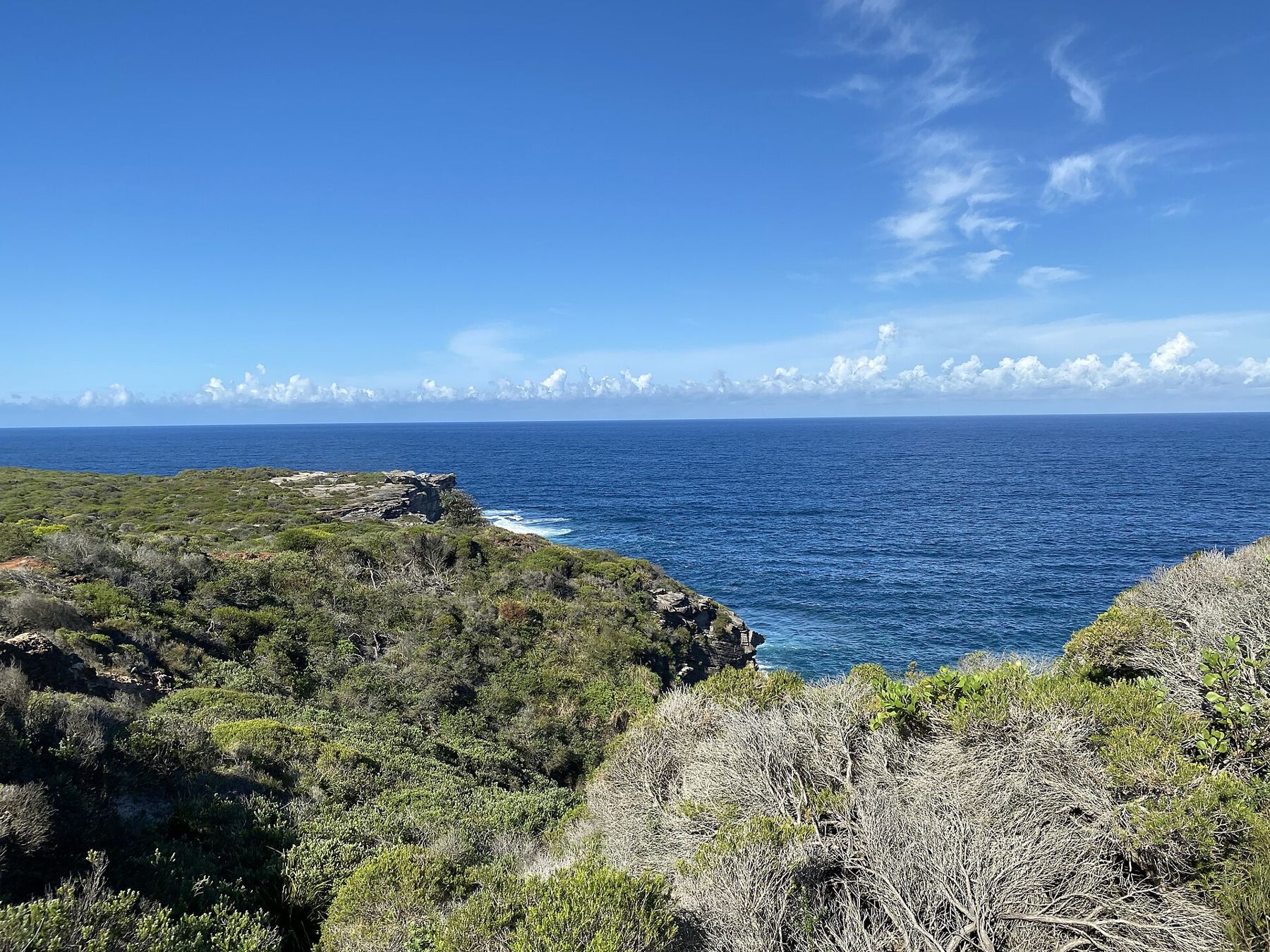
Beyond the southern end of the beach, the Malabar Headland National Park protects the long, rugged headland between Maroubra and Malabar. A walking track runs along its cliffs, through coastal heath that flowers in late winter and spring, with views back along the coast to the north. Parts of the headland were used as a rifle range for many years, and access to some areas depends on safety arrangements, so follow the signs and check which tracks are open before you go.
Linking the pools on foot
Mahon also makes a fine end, or start, for a longer coastal walk. The famous Bondi to Coogee walk stops at Coogee, but the coastal path carries on south past Wylie's Baths and the quieter rocky bays of South Coogee and Lurline Bay to Maroubra. Walking from Coogee to Mahon takes about an hour at an easy pace, with stairs and a few road sections. Start early, swim at Wylie's on the way, and finish with a cool dip at Mahon before catching a bus home from Maroubra.
In summer the walk is hot and exposed, with little shade. Carry plenty of water and plan on swimming in the morning, before the north-easterly sea breeze roughens the surface and the sun is at its strongest.
The pool through the year
Late summer and early autumn are the best months at Mahon: the water is at its warmest, the weekday crowds are thin and the light on the reef in the late afternoon is soft. Winter swimmers use the pool all year round, and on a still, sunny winter morning it can be glorious, if bracing. Spring brings cooler water and, on some days, strong winds.
Like the other ocean pools, Mahon is cleaned regularly and may be closed while that happens, and it can be closed after storms or in dangerous seas. The council's notices and the lifeguards at Maroubra Beach have the final word on any given day.
Neighbouring lanes
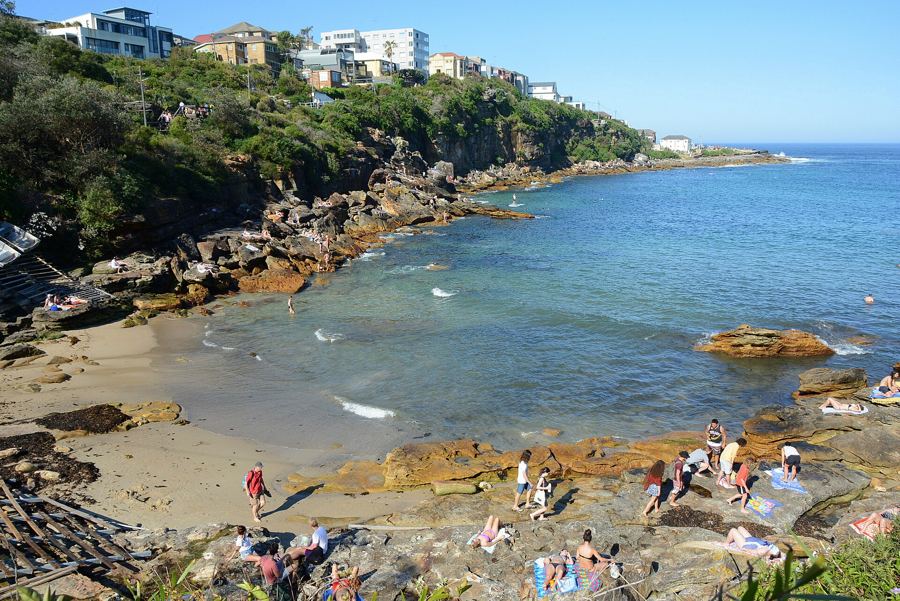
Clovelly is a long, narrow inlet lined with concrete platforms, as calm as a pool on most days and full of fish. Round the corner, Gordons Bay hides an underwater trail for confident snorkellers.
The train stops a few minutes' walk from the sand at Cronulla. From there a seaside path links a chain of ocean pools, rock shelves and grassy parks all the way to the mouth of Port Hacking.