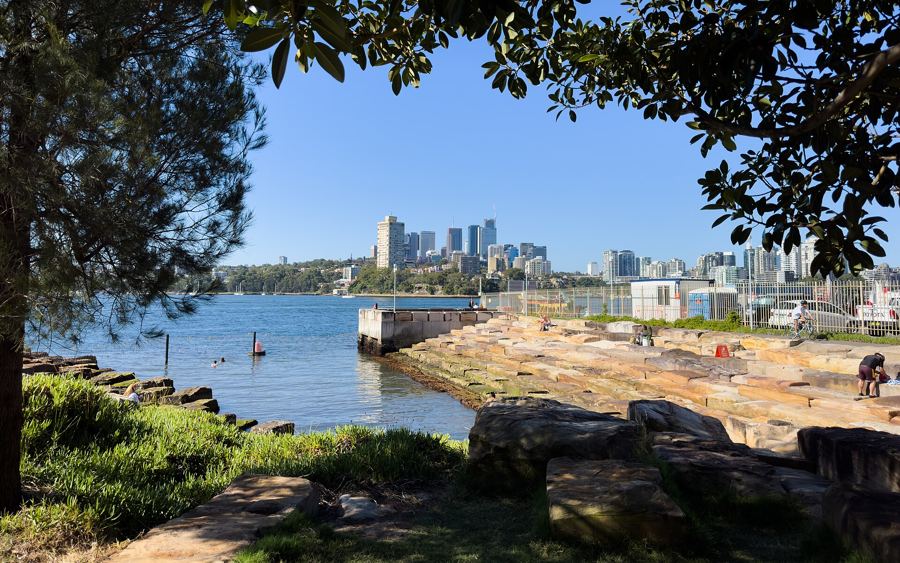
Reading swell and tide before you swim
The same rock pool can be a glassy lap lane one morning and a churning wash of white water the next. A few minutes with the forecast tells you which you will find.
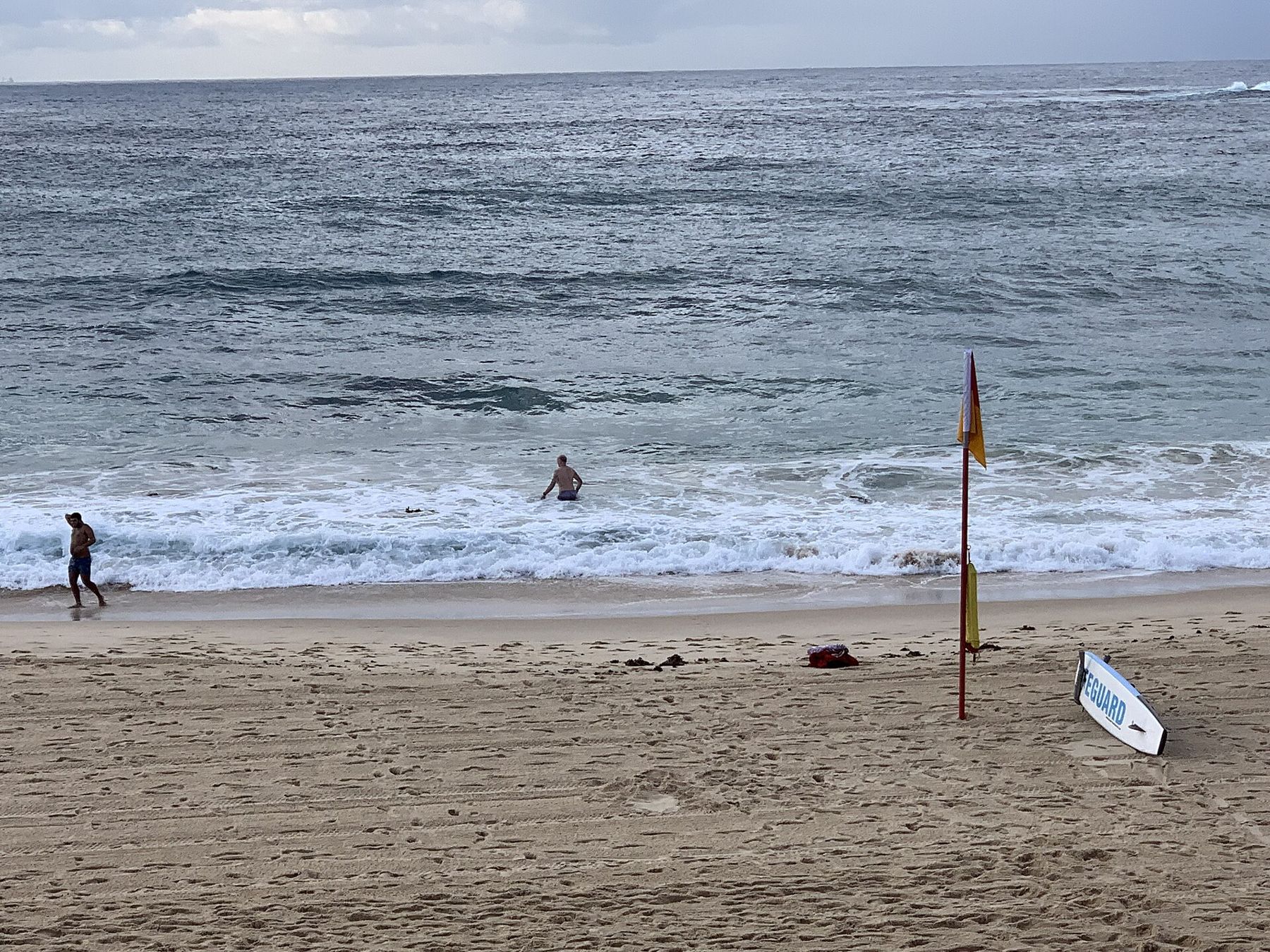
Sydney's ocean pools sit right on the edge of the Pacific, and that is both their charm and their catch. The sea fills them, cleans them and sometimes takes them over. Learning to read the swell and the tide does not take long, and it will save you wasted trips, cold disappointments and, now and then, real danger.
None of this needs special equipment. Marine forecasts, tide tables and beach reports are all freely available, and most regular swimmers glance at them before leaving home in the same way they check the weather.
Swell: size and direction
Swell is the energy of distant storms, travelling across the ocean as long, regular waves. Forecasts usually give it as a height in metres and a direction, and both matter. A swell of a metre or so is small for Sydney; two metres is solid; three metres and above means big surf, closed pools and spray over the headlands.
Direction matters as much as size. Sydney's coast faces broadly east, but every beach and pool is angled a little differently against the headlands. A southerly or south-easterly swell, the most common in winter, hits south-facing walls hard while some north-facing corners stay calm. A north-easterly swell does the reverse. That is why one pool can be closed while another a few kilometres away is perfectly swimmable.
The period, the time between waves, is the third number worth noticing. A long period means more powerful waves that reach further up the rocks than their height suggests. Long-period swell is the kind that surprises people on rock platforms.
Tide: high, low and in between
Sydney has two high tides and two low tides most days, roughly six hours apart, and the times shift a little each day. The range is modest compared with many coasts, but it changes how the pools behave.
At high tide, especially combined with a decent swell, waves reach the pool walls and wash over them. That refreshes the water, but it can also make the pool rough, push swimmers towards the walls and send surges across the decks. At low tide, the walls stand clear of the sea, the water inside is calmer and the rock shelves around the pools are exposed, which is ideal for exploring rock pools and looking for marine life.
Many regulars aim for the hours around mid to low tide on a small swell. Some tidal pools, such as the one described in the story on Mahon Pool at Maroubra, are at their best at mid-tide, when the water is deep enough to swim but not yet pouring over the rocks.
When pools close
Ocean pools close for two main reasons. The first is cleaning. Most are drained and scrubbed on a regular cycle, often once a week, to clear sand, weed and slime from the floor and walls. While that happens, the pool may be empty or partly full, and swimming is not allowed. Cleaning days differ between pools and councils, so check before you go if you are making a special trip.
The second reason is dangerous seas. When waves are breaking over the walls and sweeping the decks, councils and lifeguards close pools, sometimes for several days in a big swell. Signs, barriers or flags at the pool usually show this, but the sea itself is the best guide. If white water is pouring over the wall, stay out, however calm the inside of the pool looks between sets.
Lane 16 · SydneyThe ocean-pool yearRock platforms around the pools deserve as much respect as the pools themselves. They are slippery wherever they are wet or covered in weed, and a single larger wave can knock you off your feet. Never turn your back on the sea when you are on the rocks, and stay well back from the edge in any decent swell.
Beaches, rips and the flags
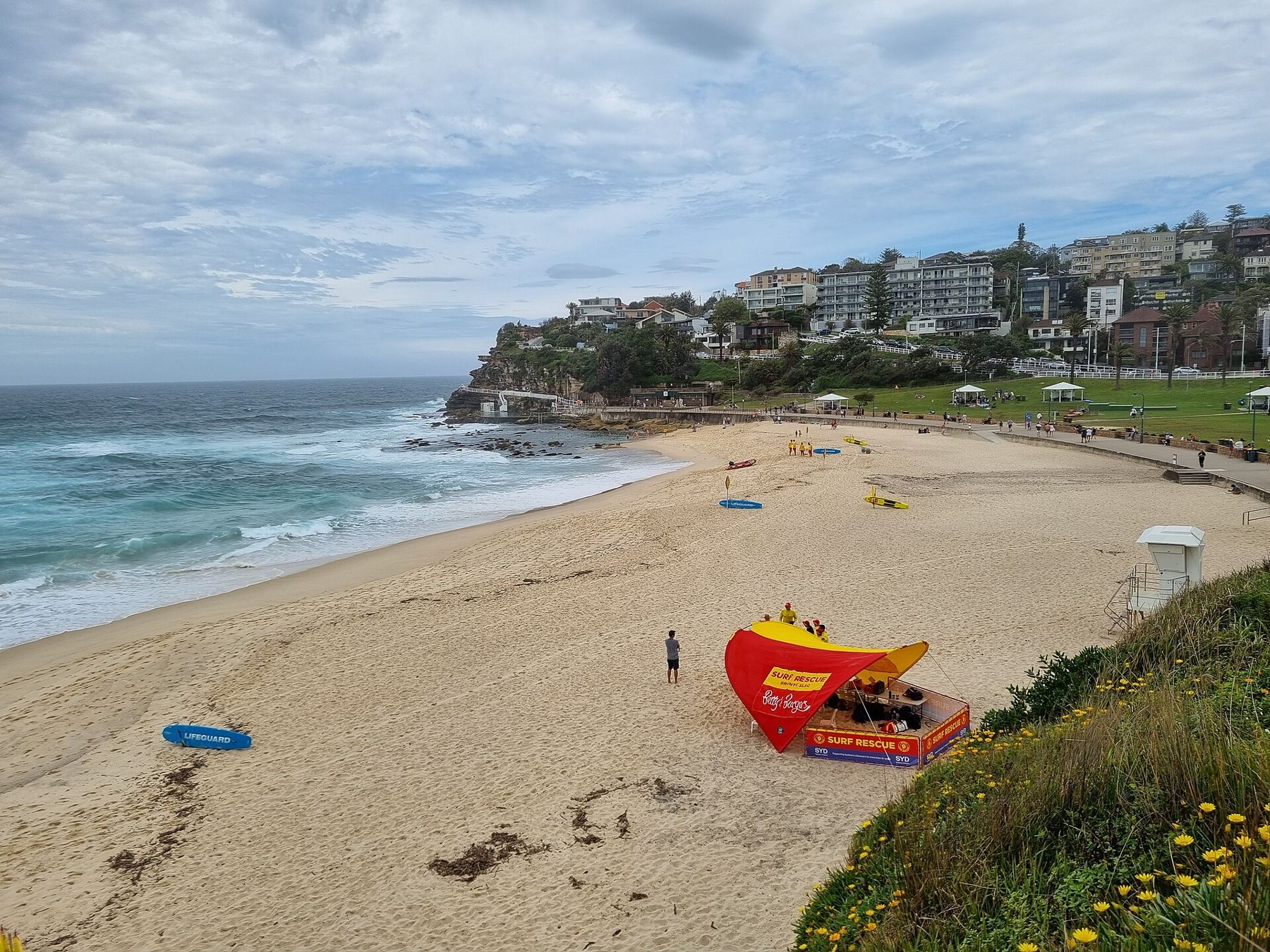
If you swim at a beach rather than in a pool, the rules are simple: swim between the red and yellow flags, which mark the area watched by lifesavers or lifeguards, and only during patrol hours. Outside the flags, and outside those hours, nobody is watching.
Rips are the main hazard on Sydney's surf beaches. They are channels of water flowing back out to sea, and they can carry even strong swimmers away from the shore. From above they often look deceptively calm: a darker strip of water with fewer breaking waves, sometimes with sand or foam drifting seaward. If you are caught in one, stay calm, float, and raise an arm to signal for help. Swimming hard straight back to shore against the current tires you out quickly. Beaches such as Bronte and Tamarama, both covered in the walk from Bondi to Coogee, are known for strong rips.
Water quality after rain
Rain is the other thing to watch. Stormwater from streets and drains runs into the sea, and after heavy rain the water near beaches, harbour coves and some pools can carry high levels of bacteria for a day or more. The effect is usually worst in enclosed waters, near creek mouths and around stormwater outlets.
The state government runs a beach water quality programme called Beachwatch, which monitors swimming sites around Sydney and publishes regular reports and daily forecasts of pollution risk. After a storm, look at its reports before you swim, and if they suggest pollution is likely, choose another day. Brown or murky water and floating debris are warning signs in any case. The netted harbour pools are especially affected after rain.
A quick check before you leave
- Swell: how big, from which direction, and how long the period.
- Tide: rising or falling, and when the next high and low are due.
- Rain: any heavy falls in the last day or two, and what the water quality reports say.
- Pool: whether it is a cleaning day or closed for dangerous seas.
- Beach: where the flags are and when the patrol hours end.
Once you arrive, take a minute to watch the water before you get in. Watch a few sets of waves come through, see where they break and how far they reach. The forecast tells you what to expect; the sea in front of you tells you what is actually happening.
Neighbouring lanes
From the Spit Bridge to Manly, a bush track wanders round the northern shore of the harbour for about ten kilometres, past sandy coves, sandstone headlands, ancient engravings and a small harbour pool.
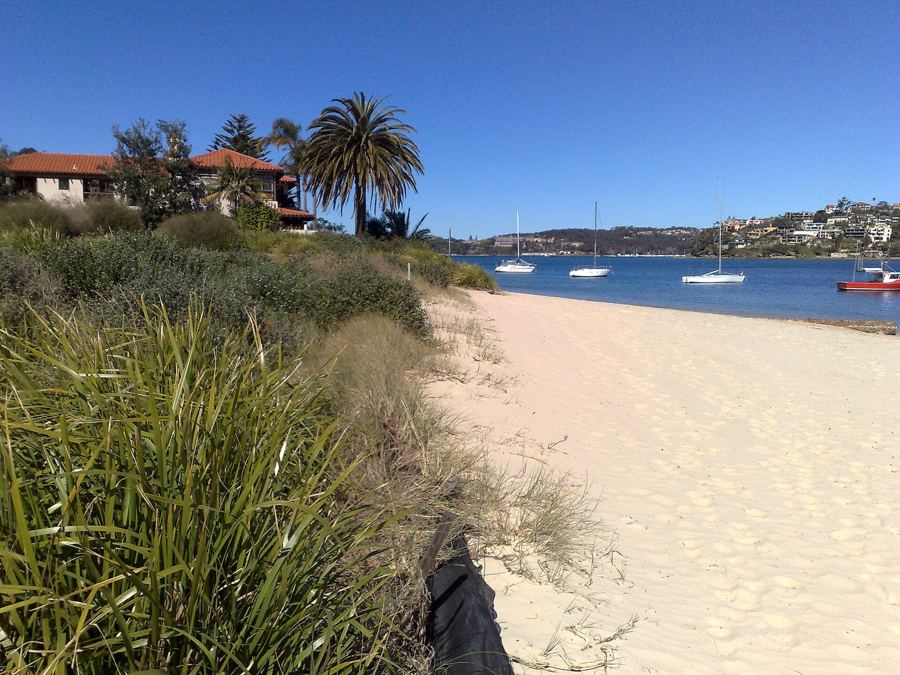
Sydney's ocean pools never close for winter, but they change with every season. Warm water and crowds in summer, glassy mornings in autumn, and a hardy dawn crowd when the sea turns cool.